
 PTR VENT 1 – 7.62X...$1,499.00
PTR VENT SPIRITUS™ 5.56i SUPPRESSOR
$1,249.00
Purposefully Induced Porosity ™
You may also like
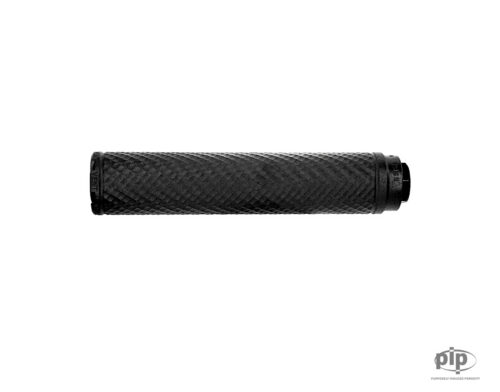
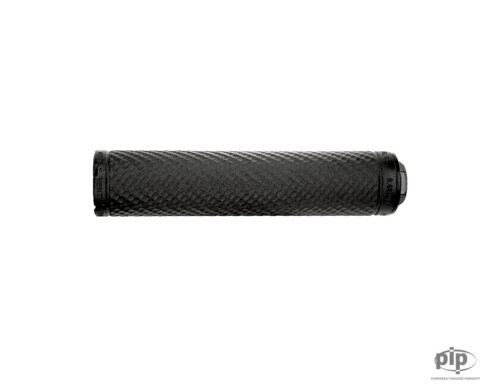
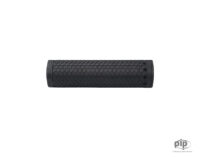
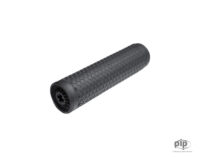
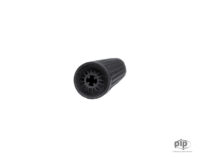
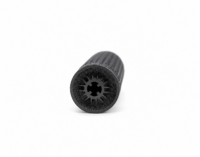
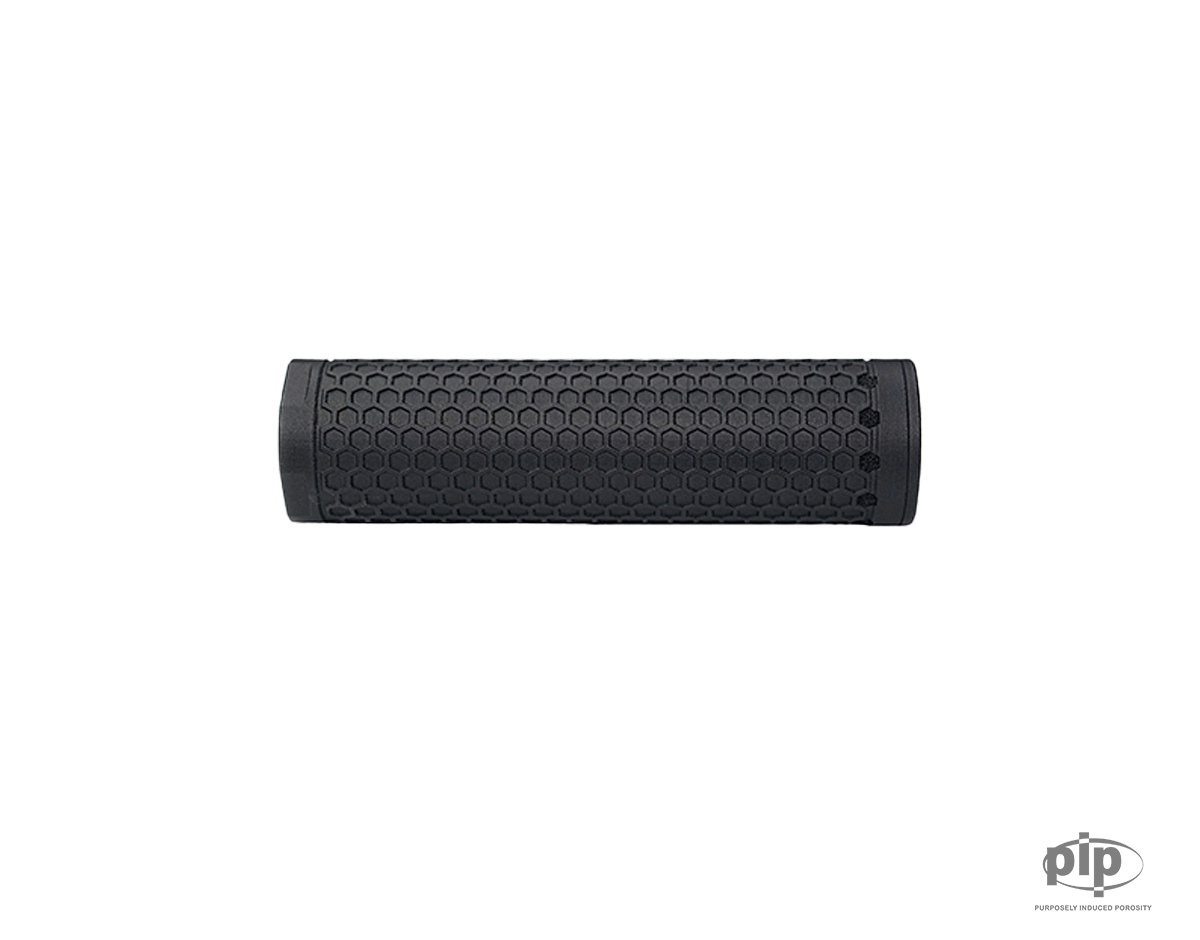
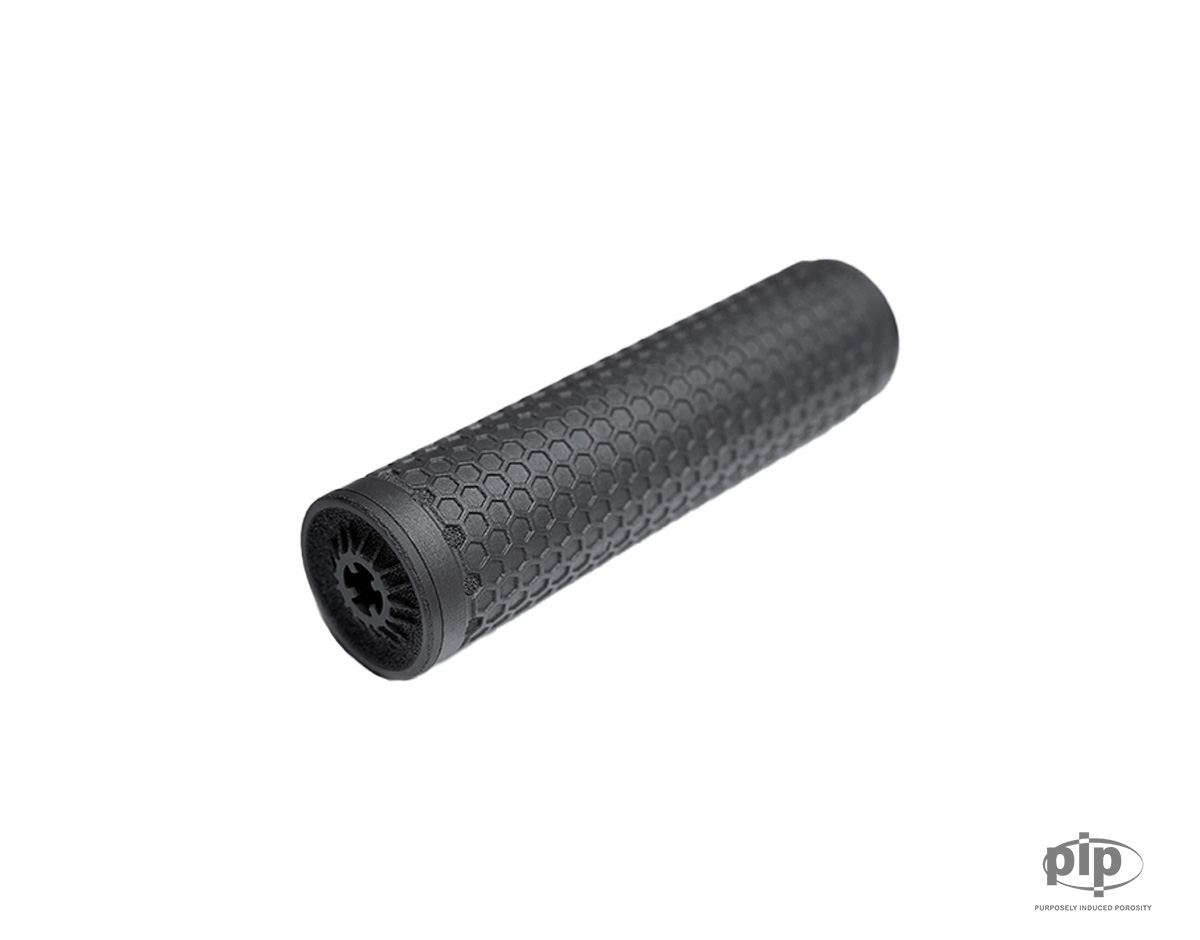
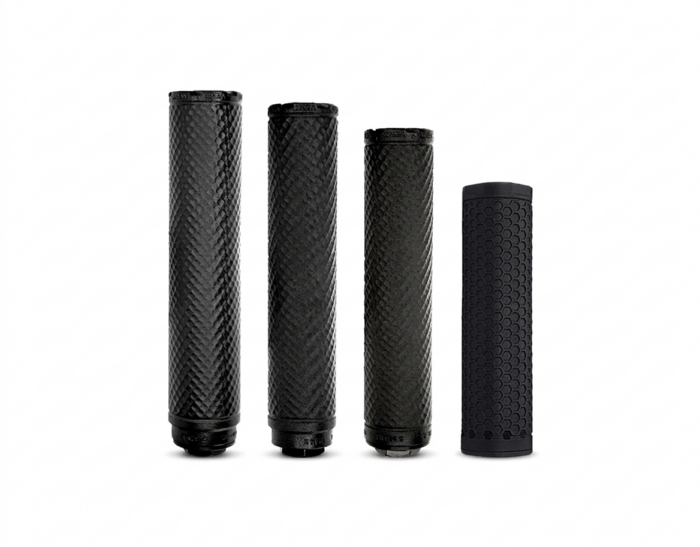
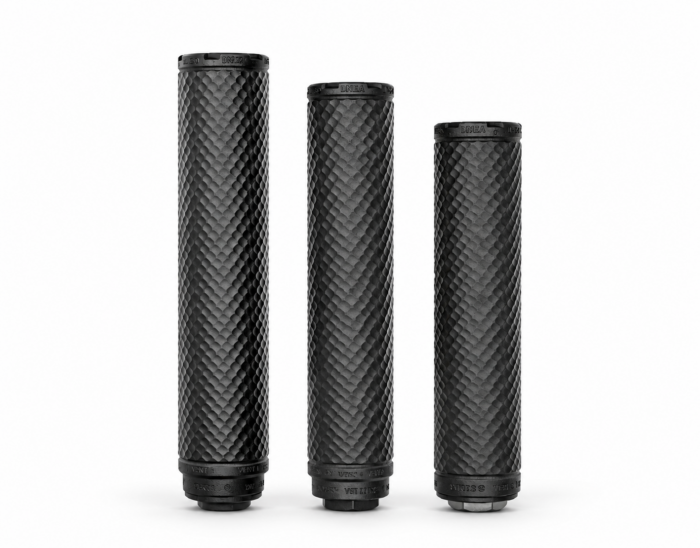
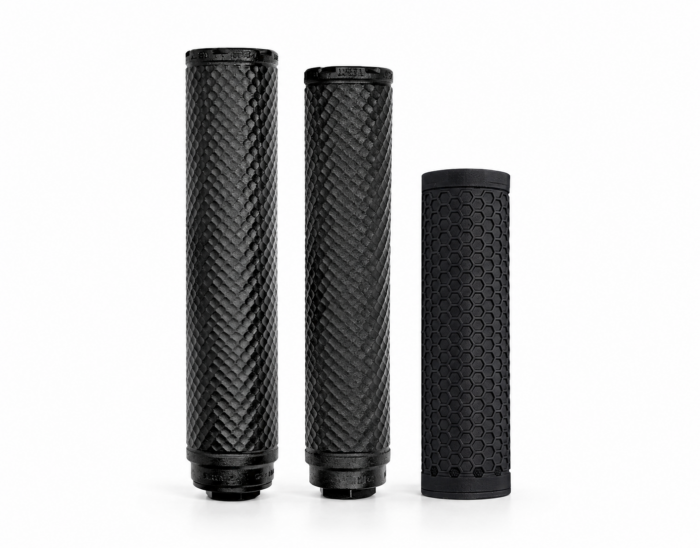
The PTR VENT Spiritus 5.56i is a compact 5.56 suppressor designed for applications where shorter overall length and increased material durability take priority over the lighter titanium construction of the VENT 3. Its approximately 6-inch monolithic body is 3D printed from Inconel and incorporates PTR’s Purposely Induced Porosity™ (PIP) technology with radial PIP venting for pressure and gas management. The Spiritus uses a 1-3/8×24 HUB interface and is the more compact, hard-use 5.56 option in PTR’s current suppressor family.
Compatible With: 5.56x45mm NATO, 5.7x28mm, 4.6x30mm
PLEASE NOTE: PTR suppressors purchased through PTR-US.com are transferred to an authorized dealer. Your dealer will determine whether that transfer is completed using a Form 4 or Form 4473, based on applicable federal, state, and local requirements.
- Product Description
Product Description
Compact Inconel Construction
The PTR VENT Spiritus 5.56i is the compact, hard-use counterpart to the titanium VENT 3. Its approximately 6-inch monolithic body is 3D printed from Inconel, giving the suppressor a material platform selected for strength and resistance to the extreme temperatures associated with demanding rifle firing schedules. The result is a shorter overall suppressor package that trades some of the VENT 3’s weight advantage for increased material durability and reduced overall length.
PIP Architecture with Radial Venting
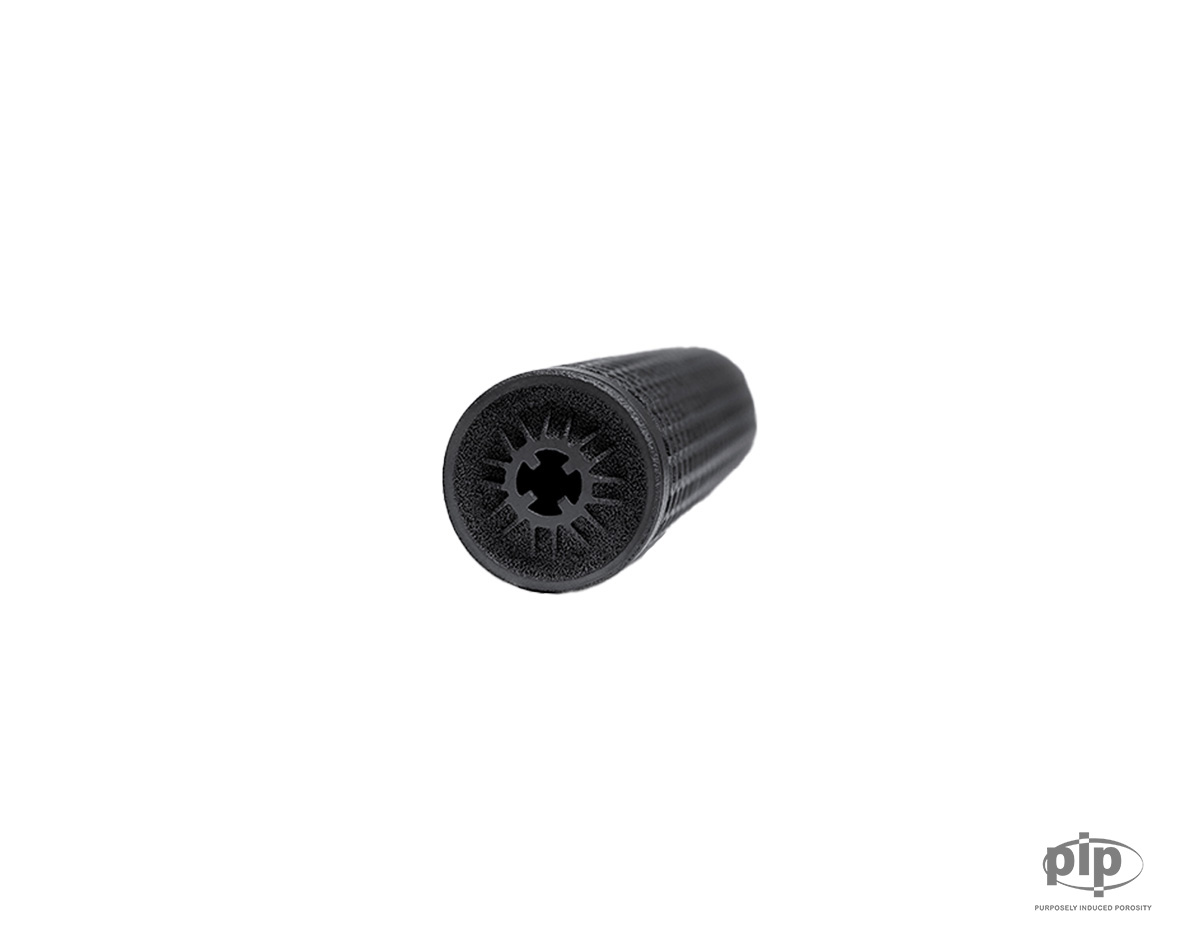
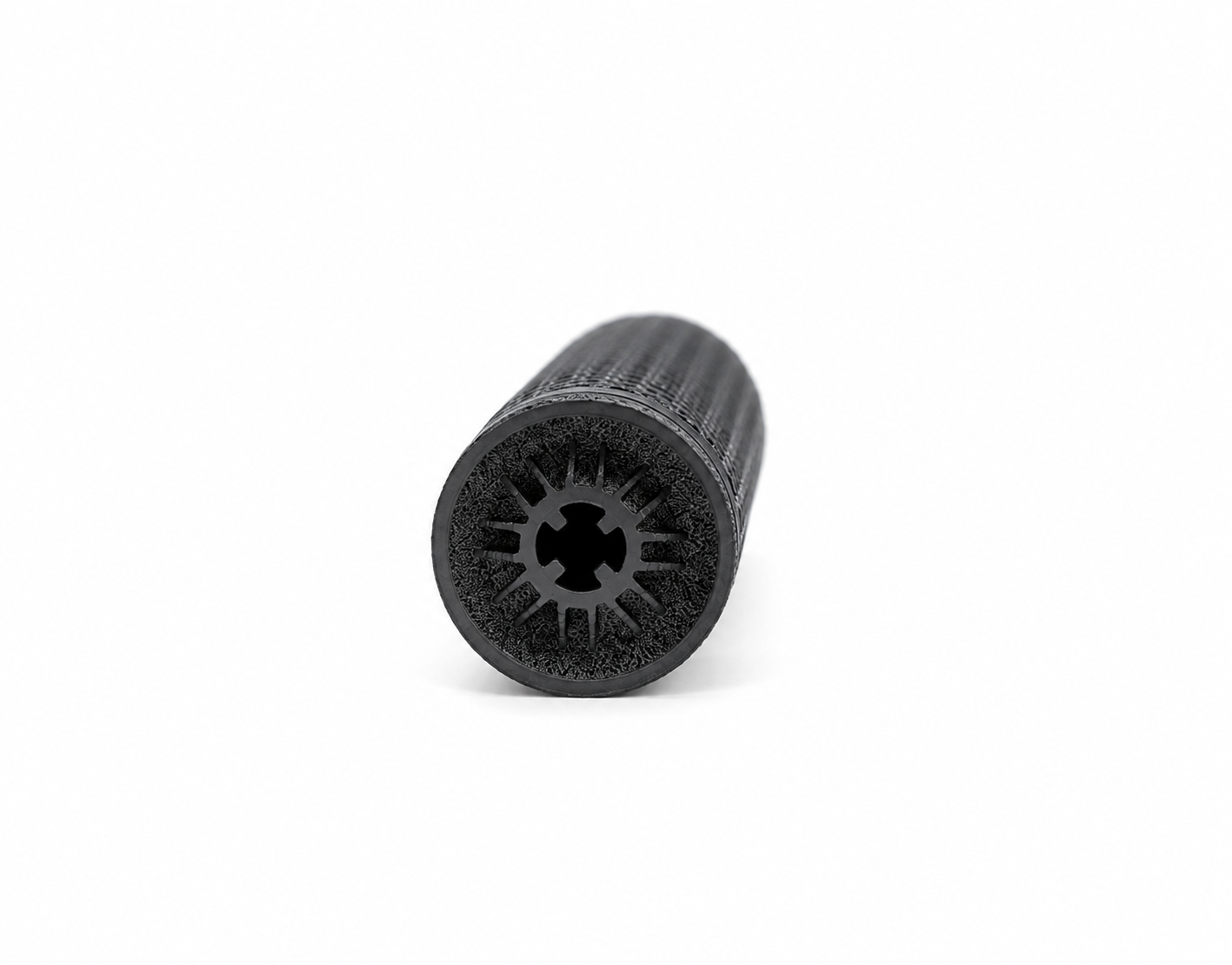
Like the other VENT suppressors, the Spiritus incorporates Purposely Induced Porosity™ to manage expanding gas through engineered porous structures and controlled flow paths. The Spiritus additionally incorporates radial PIP venting as part of its pressure-management architecture. This supports gas flow through the suppressor while limiting the pressure accumulation that can influence shooter-side gas, ejection-port signature, and weapon behavior on semiautomatic 5.56 platforms.
Independent testing provides useful context across two different barrel configurations. PEW Science recorded composite Suppression Ratings™ of 37.5 on its specified 10.3-inch MK18 configuration and 44.2 on its 14.5-inch M4A1 configuration. Those results are specific to the respective test systems, but they illustrate how the Spiritus performs across both compact and longer 5.56 hosts.
Built for the Harder-Use Role
The Spiritus uses a 1-3/8×24 HUB mounting interface and includes a 1/2×28 direct-thread adapter, providing the same basic mounting flexibility expected from a modern HUB-compatible rifle suppressor. PTR approves the model for 5.56x45mm, 5.7x28mm, and 4.6x30mm applications within its specified barrel-length and firing guidance.
- PEW Science — VENT Spiritus™ Suppression Rating
Review independent PEW Science testing of the VENT Spiritus™ 5.56i across two duty-grade platforms. Both evaluations provide a detailed, data-driven look at suppression performance, tone characteristics, back-pressure behavior, and durability under real-world conditions.
MK18 Test
PEW Science analyzes the Spiritus on the MK18—one of the harshest 5.56 hosts—highlighting its suppression rating, tone quality, and gas dynamics in a demanding environment.Full report:
https://pewscience.com/sound-signature-reviews-free/sss-6-175-ptr-vent-spiritus-556i-mk18-556
M4 Test
PEW Science evaluates the Spiritus on the M4, documenting suppression behavior, flow efficiency, and performance during sustained firing on a duty-grade rifle.Full report:
https://pewscience.com/sound-signature-reviews-free/sss-6-176-ptr-vent-spiritus-556i-m4a1-556
- Product Details
Product Details
Weight 15.2 oz (without adapter)
UPC 810161700394
Length 6" (without adapter)
Material 3D Printed Inconel
Color Black
Overall Finish Diamond-Like Carbon (DLC)
Diameter 1.625"
Included Accessories 1/2″×28 direct-thread adapter
Mount 1.375″×24 HUB
Product Type Suppressor
Caliber 5.56×45mm NATO / 5.7×28mm / 4.6×30mm
Manufacturer PTR
Made in USA
Construction Monolithic, single-piece body
Barel Restrictions 5.56×45mm: 10.5″ minimum. 5.7×28mm / 4.6×30mm: no minimum specified.
Suppression Rating 37.5 – MK18, 10.3″ barrel / 44.2 – M4A1, 14.5″ barrel
Technology PIP – Purposely Induced Porosity, with radial PIP venting
Rated Full-Auto Rating
- VENT Manual
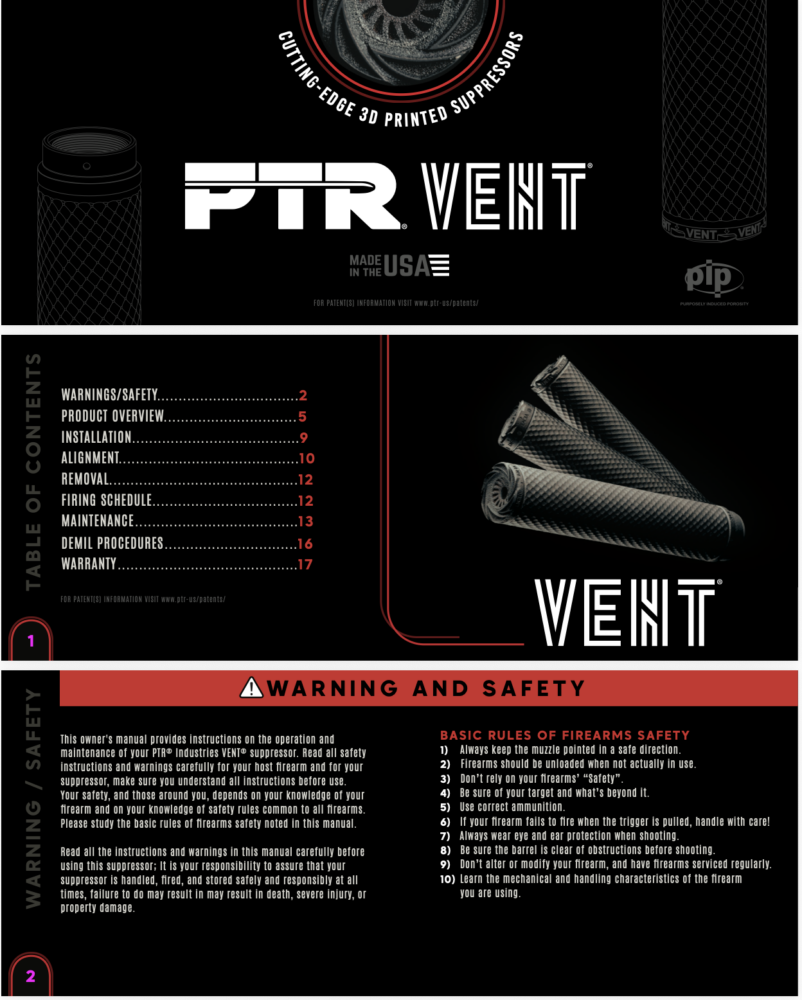
For the complete manual of PTR VENT Suppressors, please follow this link
- CLEANING VENT SUPPRESSORS
Cleaning the PTR® VENT™ family of suppressors is a simple but important part of ownership. Much like maintaining the air filter on your car or air conditioner, fouling will accumulate with use over time and needs to be addressed for maximizing the effectiveness of the system. Regular cleaning and proper maintenance will increase the performance and lifespan of the suppressor. The exact round count at which to clean the VENT suppressor is highly dependent on the combination of the host weapon, barrel length, and ammunition choice; a good general guideline is to run a cleaning cycle on the P.I.P. (Purposely Induced Porosity) at the muzzle end of the suppressor around the 1,500-round mark for centerfire rifle cartridges and 1,000-rounds for centerfire pistol cartridges. A full head-to-toe cleaning cycle of the suppressor is recommended around the 5,000 round mark regardless of caliber.
There are several effective suppressor cleaners that are safe for the titanium construction of the VENT suppressor line as well as the PVD coating.
These include (but are not limited to) C.A.T 206, and Bore Tech Decimator. To date, our testing has shown C.A.T. 206 to be the most effective solvent for cleaning. The process for cleaning is a simple two or three step process based on the equipment you have available to you.
Note: We highly recommend the use of an ultrasonic cleaner (these are readily available for a reasonable price) to increase the effectiveness of cleaning, but it is not required.
1. Soaking
1. Find a suitable vessel in which to place the muzzle end of your VENT suppressor to allow it to be saturated in the solvent of your choice. Clear cups are a cost-effective option, but a glass mason jar, solvent safe plastic cup, or a Breakthrough Suppressor Cleaning Kit work perfectly well.
2. Fill your vessel up approximately 2”-3” with your solvent of choice and place your VENT suppressor muzzle down inside. Allow the P.I.P. (Purposely Induced Porosity) muzzle end of the suppressor to soak in the cleaner anywhere between 4 and 12 hours, depending on the severity of fouling. If required, it is ok to soak beyond the recommended cleaning schedule. If able, slight agitation every-so-often is helpful but not necessary.
3. OPTIONAL BUT RECOMMENDED STEP: If you are using an expensive solvent, fill an ultrasonic cleaner with at least 2” of water then place the suppressor still inside the vessel holding the solvent used in the previous steps into the sonic bath to agitate it.If you are using a cost-effective solvent, place your VENT suppressor in a sonic bath filled up with at least 2” of the solvent of your choice. Follow the manufacturer’s instructions. Some solvents may be incompatible or dangerous for use with your ultrasonic cleaner. Run the sonic bath machine for approximately 30-minutes on the vibration cycle. This cycle is more powerful than static soaking and will aid in breaking up fouling that is far beyond what would be accrued by the recommended schedule.
2. Rinsing
1. Remove the VENT suppressor from your solvent vessel and thoroughly rinse with water from both the front and rear of the suppressor.
2. Once most of the retained solvent is flushed, plug the muzzle end of the suppressor with the palm of your hand and fill the suppressor approximately halfway with clean water. Plug the mounting end with your other palm and vigorously agitate the water trapped inside. Pour the water out and repeat this process until the liquid leaving the suppressor looks unchanged.
3. OPTIONAL BUT RECOMMENDED STEP: Place your VENT suppressor back into the sonic cleaner and run a short cycle to remove whatever stubborn residue is left on the inside.
4. We recommend allowing the suppressor to fully dry out before use to minimize the possible inhalation of chemicals from gas blowback. Use of compressed air to expedite this process can be helpful.This cleaning cycle mostly focused on the muzzle end of the suppressor. A full head-to-toe cleaning cycle of the suppressor is recommended around the 5,000 round mark regardless of caliber. This simply involves filling the suppressor fully with solvent versus the lower level in the above steps. When used in conjunction with the lower round count cycle, your suppressor should stay effective for many rounds to come.
Note: If using the VENT 2 suppressor heavily on a pistol caliber carbine, it may be necessary to do an inverted version of the cycle outlined above before switching to pistol suppression. This will clean out the locking recesses of the booster cage within the blast chamber. Failure to do so may result in misalignment of the piston and cause damage to the suppressor. Because the user has direct access to this portion of the suppressor, it is recommended they use brushes, picks, and other tools to aid in and expedite this process.
- Product Reviews (0)
Only logged in customers who have purchased this product may leave a review.
- Lifetime Warranty
All of our products are built to last. We proudly stand behind the quality of every product we manufacture and hope you’re happy with your gear. All products we manufacture are fully warranted against defects in materials and workmanship with a Limited Lifetime Warranty.
-
-
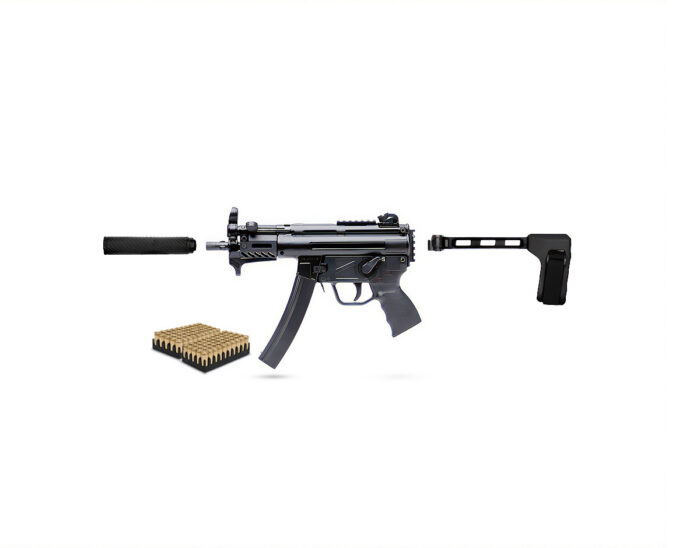
PTR 9CT – 9X19MM – MAX KIT
Original price was: $3,448.00.$2,899.00Current price is: $2,899.00.Available Later This Year
-
PTR VENT Complete Suppressor Collection
Original price was: $5,486.00.$4,663.10Current price is: $4,663.10.Purposefully Induced Porosity ™
-
-
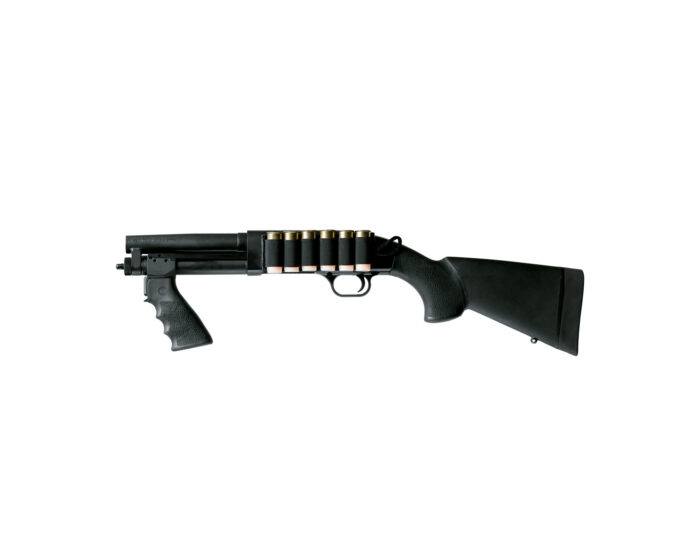
PTR JACK – 12 GA – AOW
Original price was: $1,049.00.$989.00Current price is: $989.00.Limited-time Offer
-
PTR VENT 3-Caliber Titanium Suppressor Kit
Original price was: $4,237.00.$3,813.30Current price is: $3,813.30.Purposefully Induced Porosity ™
-
PTR VENT 3-Caliber Suppressor Kit
Original price was: $4,037.00.$3,431.45Current price is: $3,431.45.Purposefully Induced Porosity ™
-
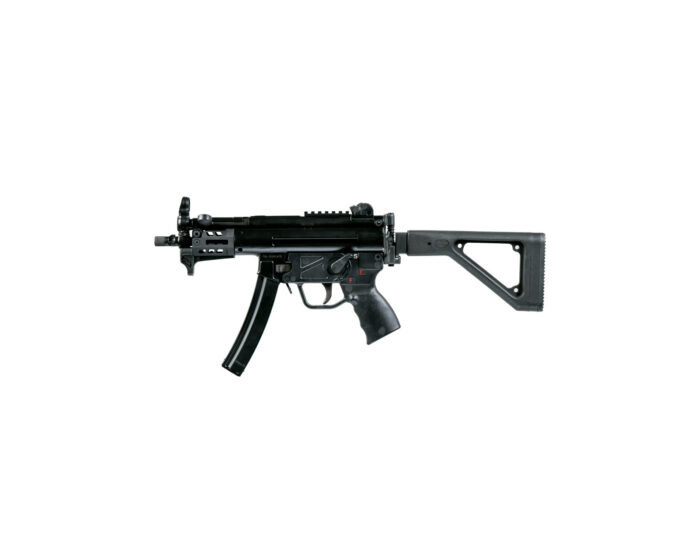
PTR JACK SBS FS – 12 GA – SBS WITH FIXED STOCK & PISTOL GRIP
Original price was: $1,099.00.$1,029.00Current price is: $1,029.00.Limited-time Offer
-
-
PTR 9KT – 9X19MM – MAX KIT
Original price was: $3,448.00.$3,099.00Current price is: $3,099.00.Available Later This Year
-
PTR 9KT – 9X19MM – COMPACT PISTOL
Price range: $1,889.00 through $1,989.00Purchase at your local dealer
-
PTR 9CT – 9X19MM – COMPACT PISTOL
Price range: $1,889.00 through $1,989.00Purchase at your local dealer
Reviews
There are no reviews yet.